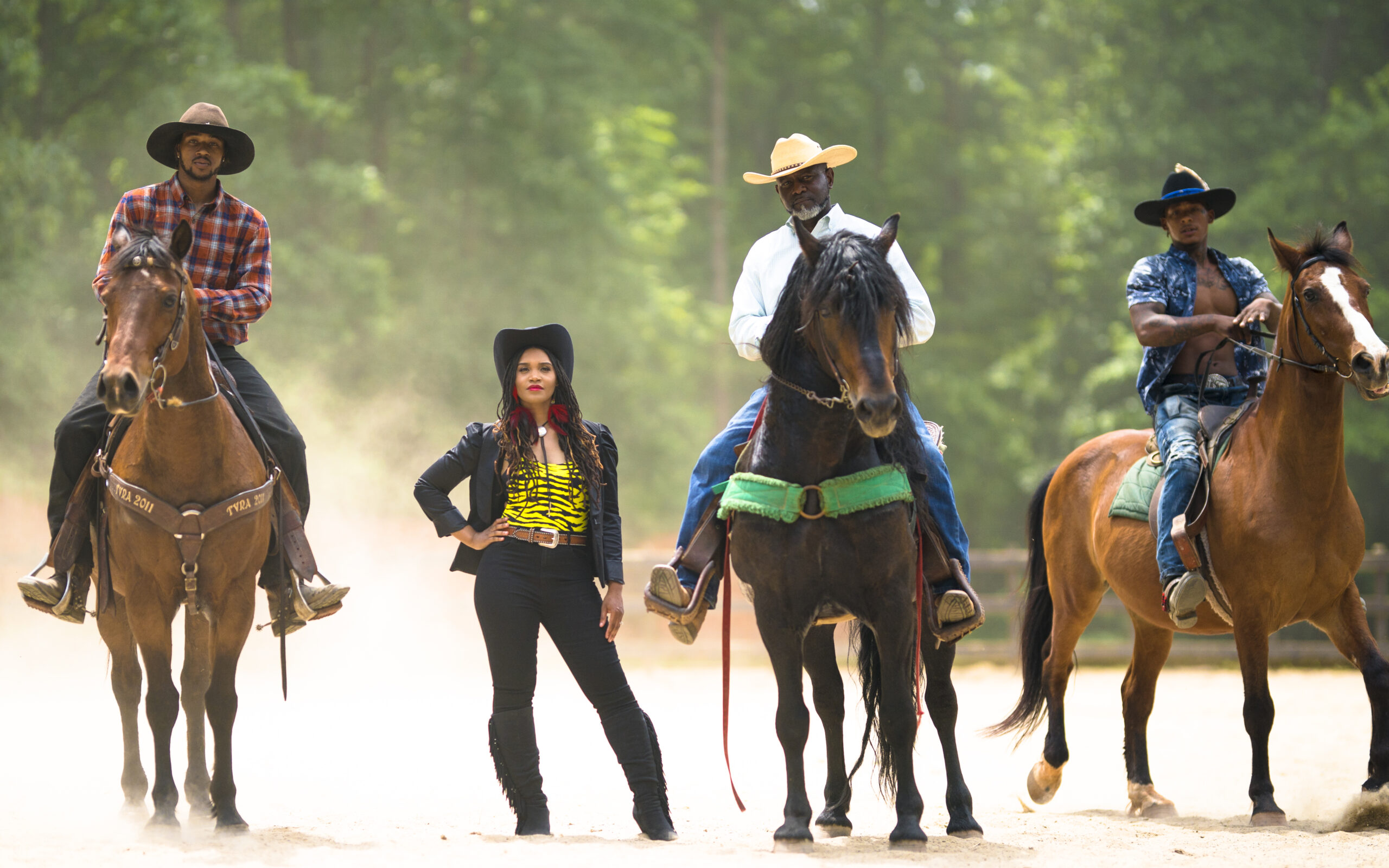
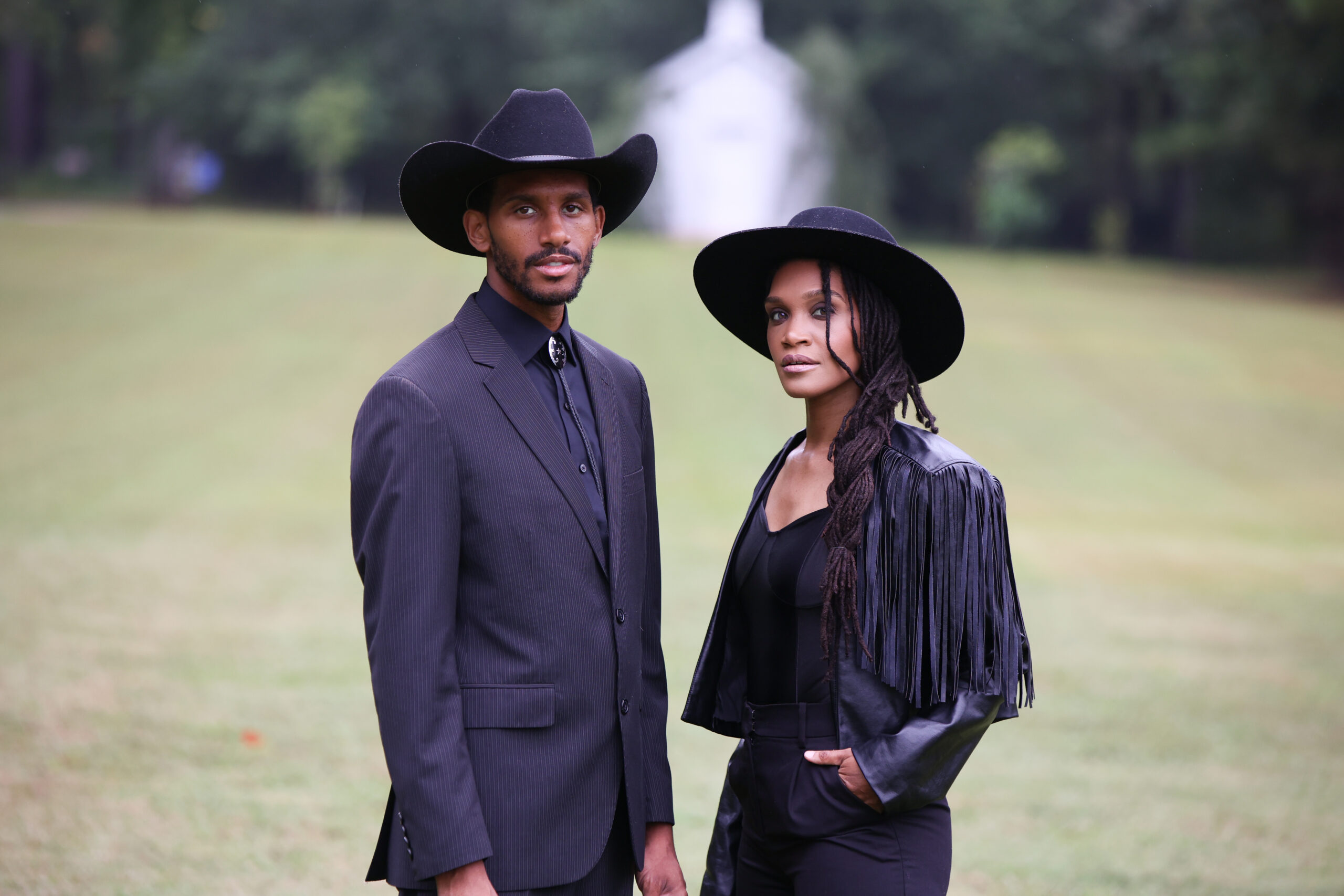
We dashingly showed up. Ballpoint penned out. And country Western won for Milledgeville, Georgia. My brother, Edward Morrow, and I rounded up international awards at the Outdoor Writers Association of America’s (OWAA) 2024 conference held in El Paso, Texas, from Sept. 20 to Sept. 22. “I was like ‘Oh, wow,’” said Edward when the award […]
September 22, 2024
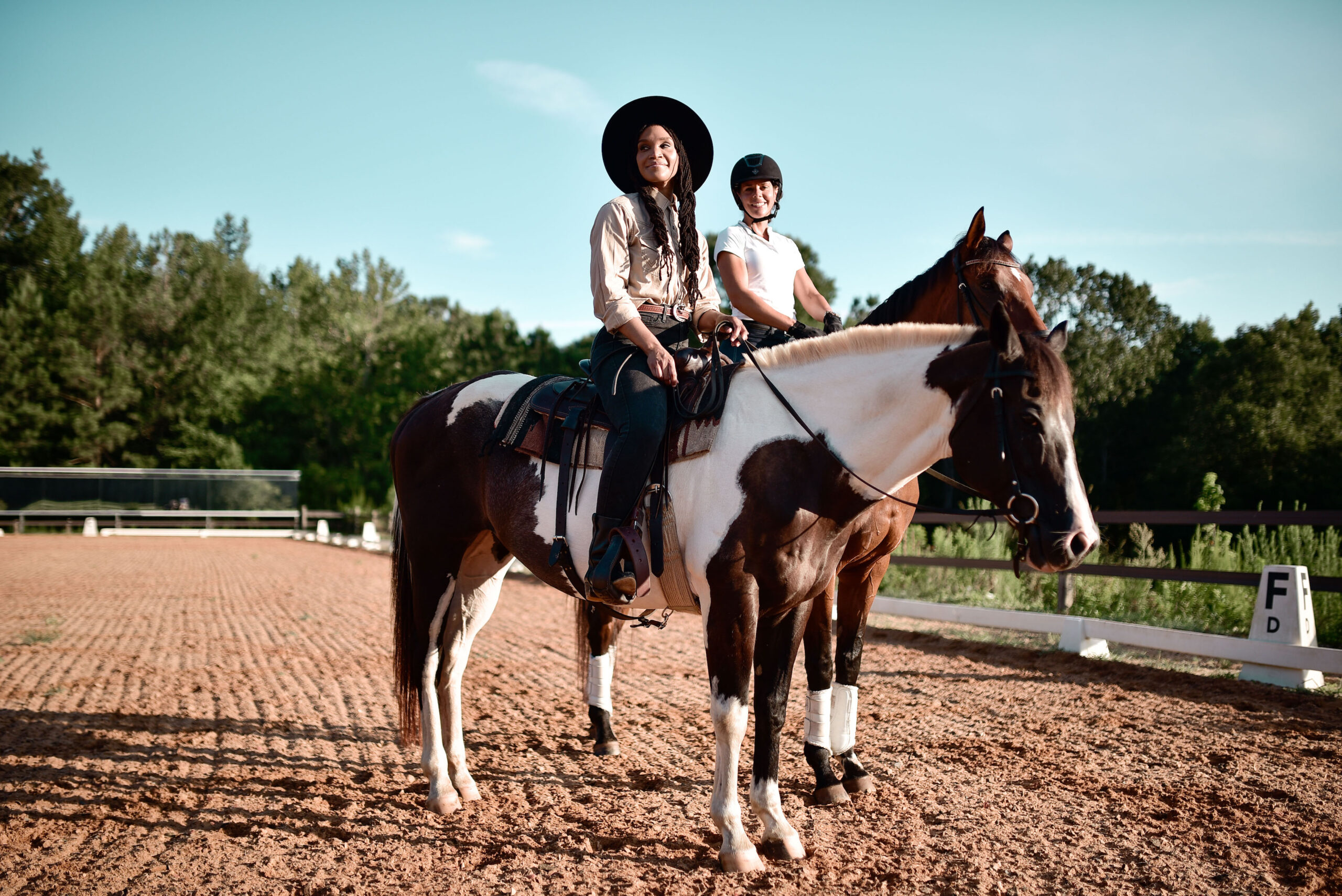
She has communicated plain, practical, and pedagogic direction to hundreds of young riders. Her forte is originating light and fun horseback riding experiences. From training basics to competitive lifestyles, Carmen Mesbergen, 33, teaches both horse and rider the rudiments of modern horsemanship. Originally from Loveland, Colorado, the seasoned equestrian developed an affinity for classical dressage […]
March 30, 2024
The future naturalist framed up the plant IDing scene with such fervor. Conviction. Even care. Every google-eyed expression and conductor hand gesture queued plant life to take center stage. His soft smile pulled community participants into the Lionel Hampton Greenway Trail. The old-growth storyline voice-overed by Southern hospitality. “So, this is actually turkey tail mushrooms,” said Outdoor Afro volunteer leader […]
February 27, 2024
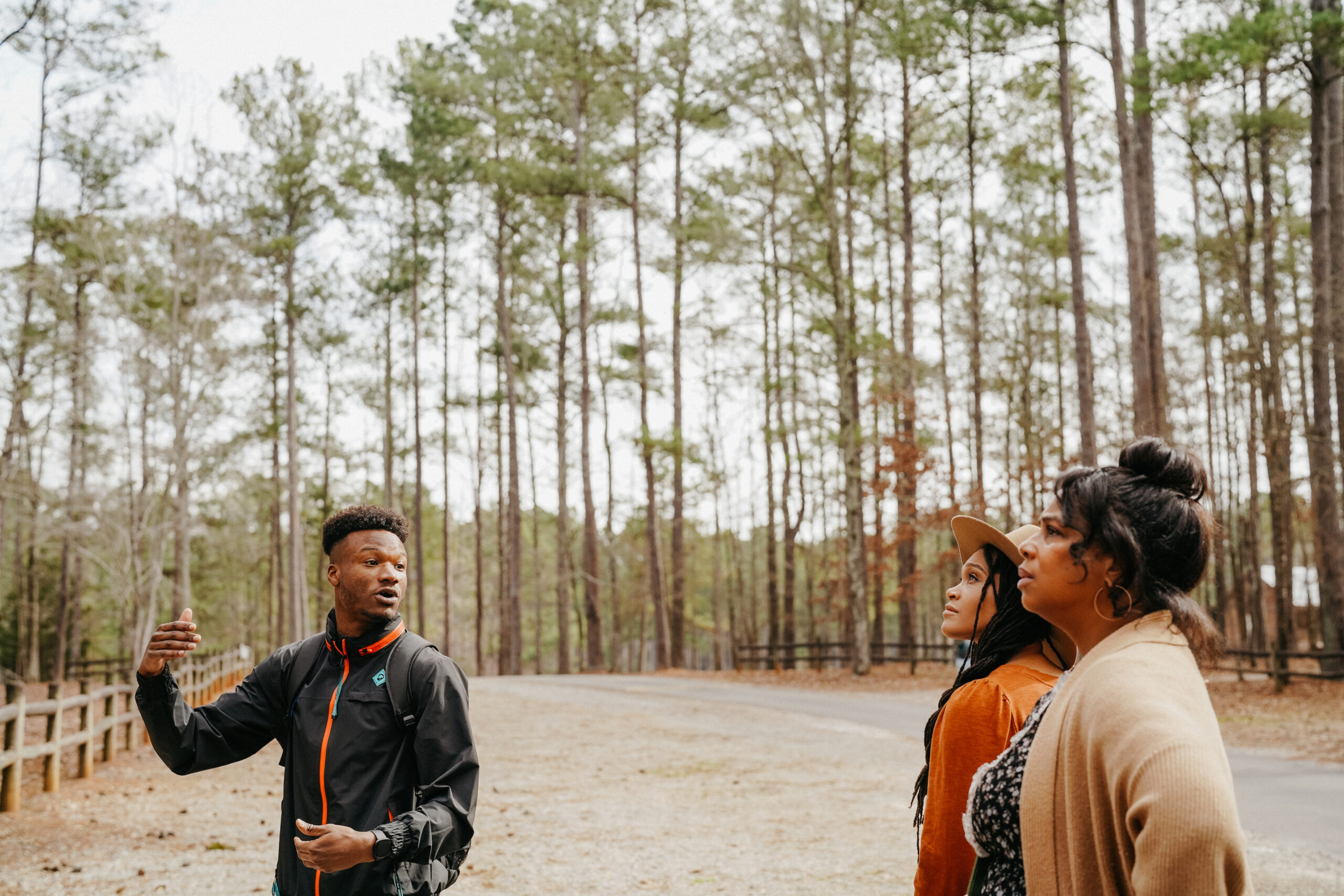
Whoa Nelly! I won. Twice. Back-to-back first-place awards during Outdoor Writers Association of America’s (OWAA) annual conference. My very first time applying for awards as a member of this association landed me in Gulf Shores, Alabama, Sept. 9, through Sept. 11, 2023. As a veteran award-winning journalist and marketer, I’ve been in these types of rodeos […]
September 10, 2023

Dine Diaspora, a Washington, D.C.-based food and beverage agency, announced its sixth annual “Black Women in Food” awardees March 1, 2023. And I made it into this number. Out of more than 600 nominees, the agency included me as one of 31 honorees. Dine Diaspora selects honorees from a public nomination process reviewed by expert judges. The awards celebrate exceptional contributions to the food system and Black women around the world who contribute to this historical establishment.
March 1, 2023
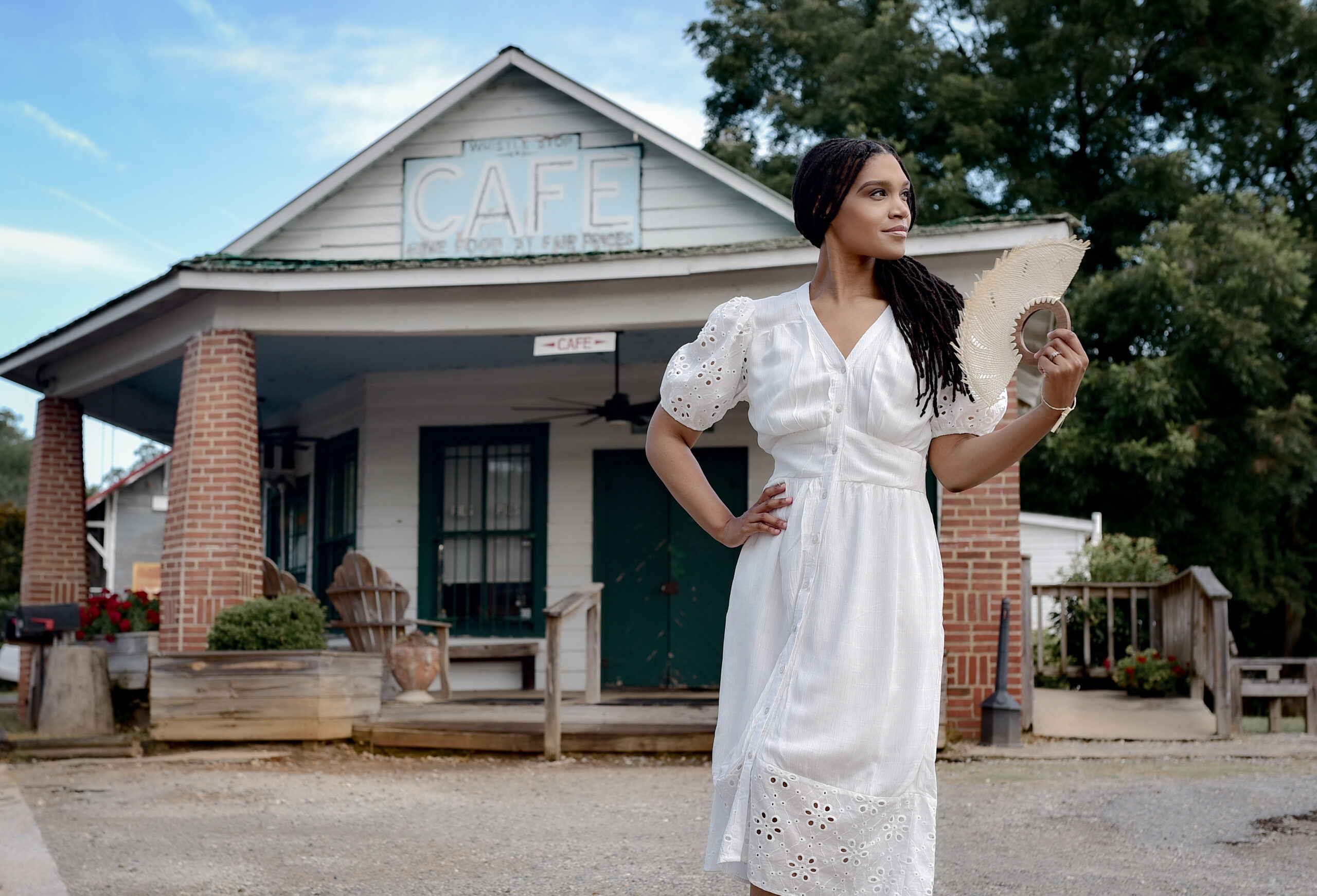
This one farmstead structure stands frail. Debilitated by Mother Nature’s handiwork. Evident from its hind side. Barnwood craftsmanship currently exposed and splintered. Where livestock, hay bales and farming equipment once depended on the handmade frame for shelter in the early 20th century.
October 1, 2022

She ushers God into any conversation. In front of anybody. For any reason. Her 5-foot-9-inch existence lives for Him. She testifies His greatness in good and bad times. In a bereavement season, she amplifies His grace. Cleaving His name to her chest. Evident by the way she naturally consoles those who have lost all hope.
June 28, 2022
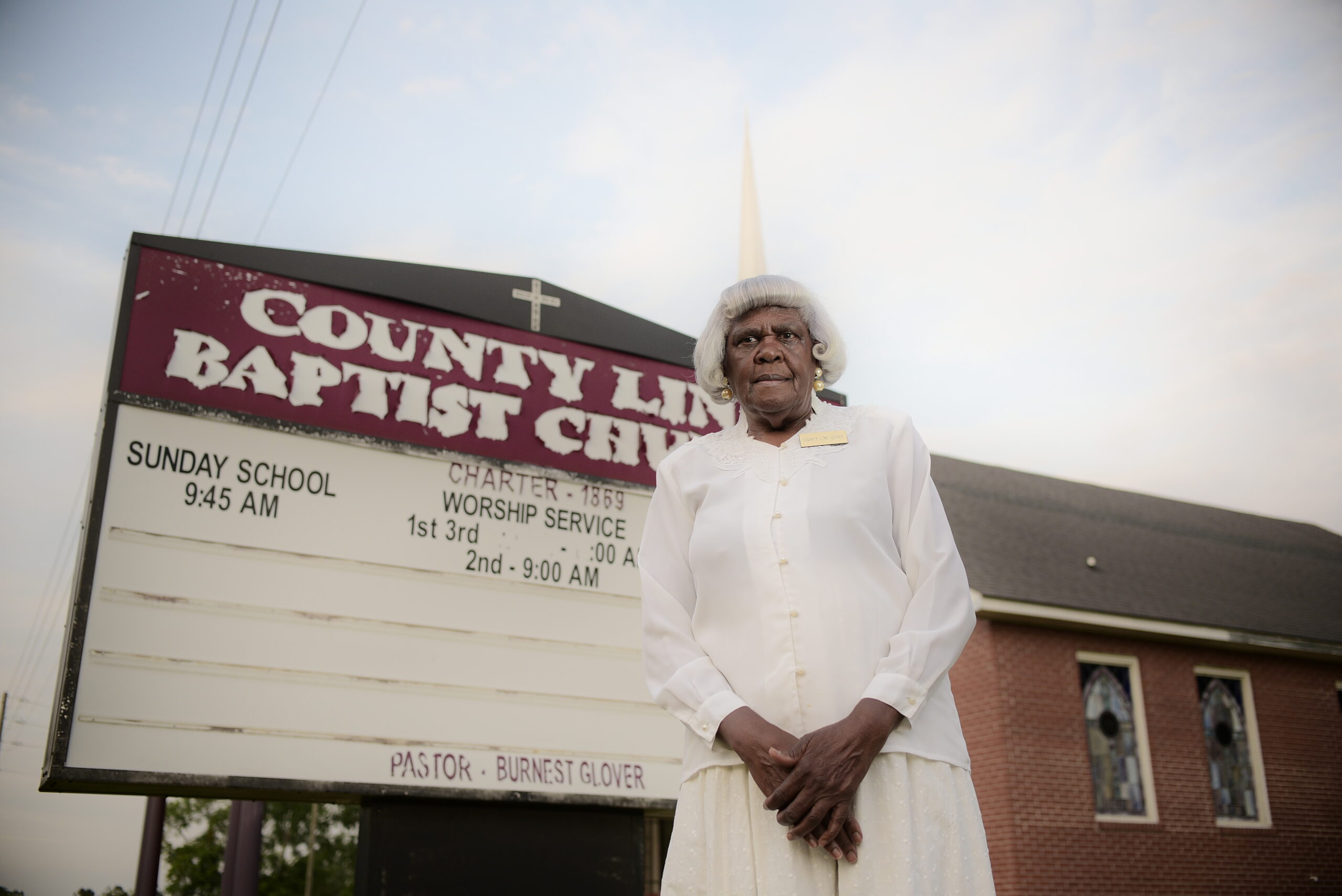
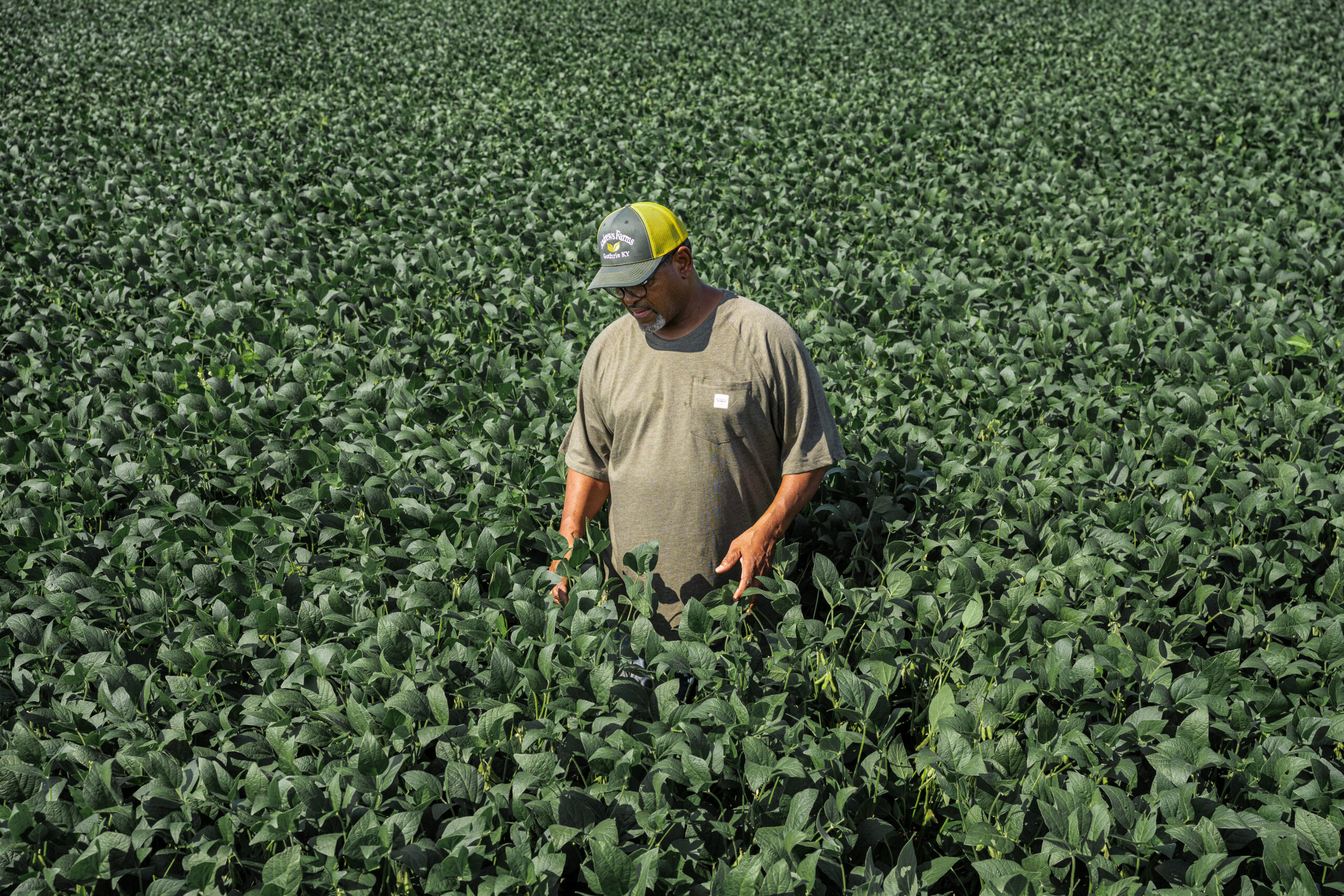
Each hails from the Black Belt Region — demarcated by its crescent geographic profile. Stretching from Eastern Texas to the Eastern shore of Virginia. A territory historically known for the “lack of” is called home. Systemic disparities have prevailed since slavery. The Old Confederacy days. In education. Health care. Technology. Infrastructure. Black land ownership. And economic development opportunities.
December 28, 2021
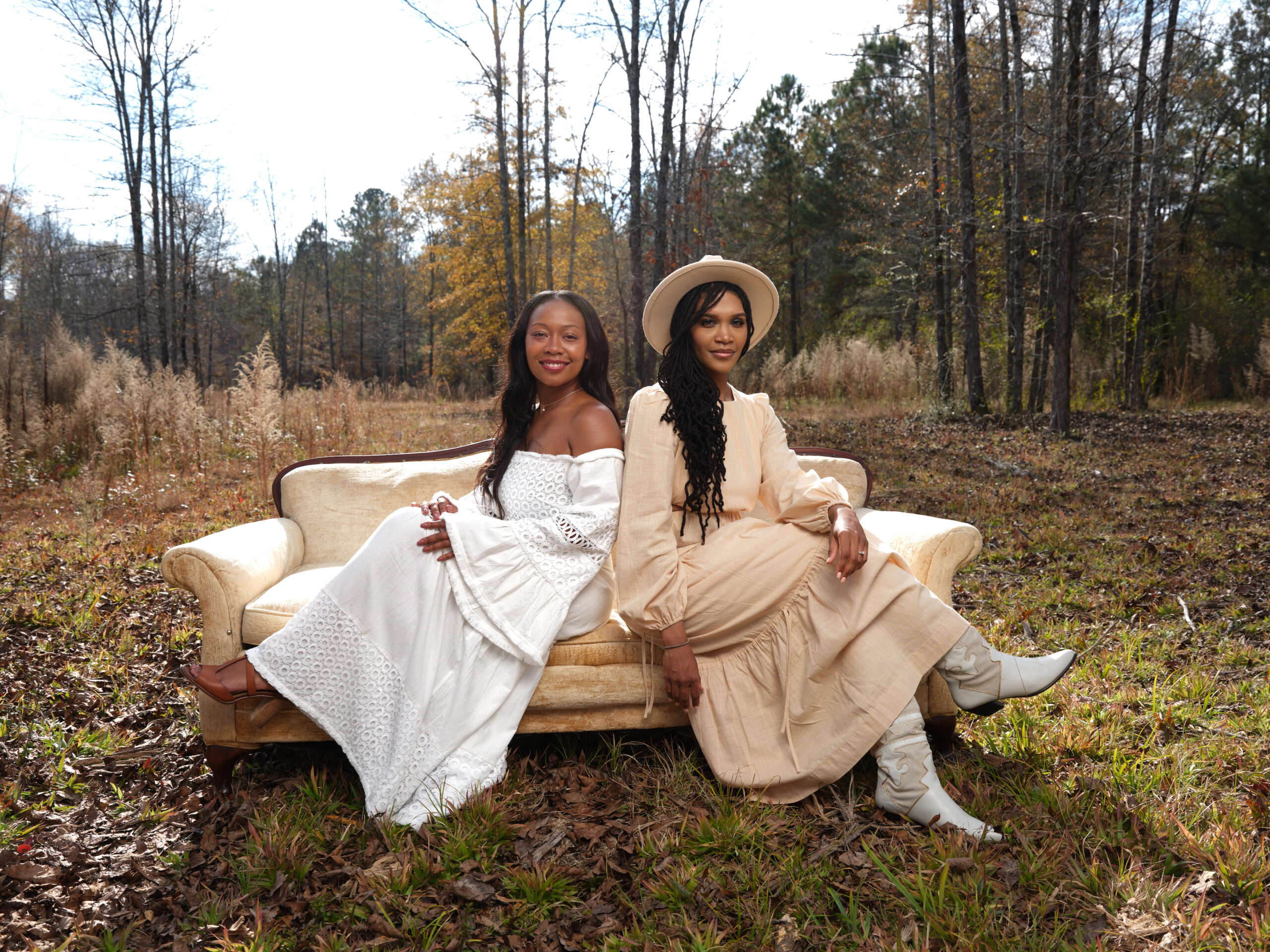
Enslaved African-American people assigned them as “hush harbors.” Informal meeting spaces. Swamps, ravines, gullies and woodlands to congregate and worship secretly in the South. These unofficial locations eventually operated as planning posts for Black farmers of the Reconstruction period onward. Since sharecropping merely replaced slavery, Black churches, crib barns and bermudagrass fields became updated versions of hush harbors. Grounds to organize. Discuss land independence. Strategize to preserve family legacy.
September 1, 2021